
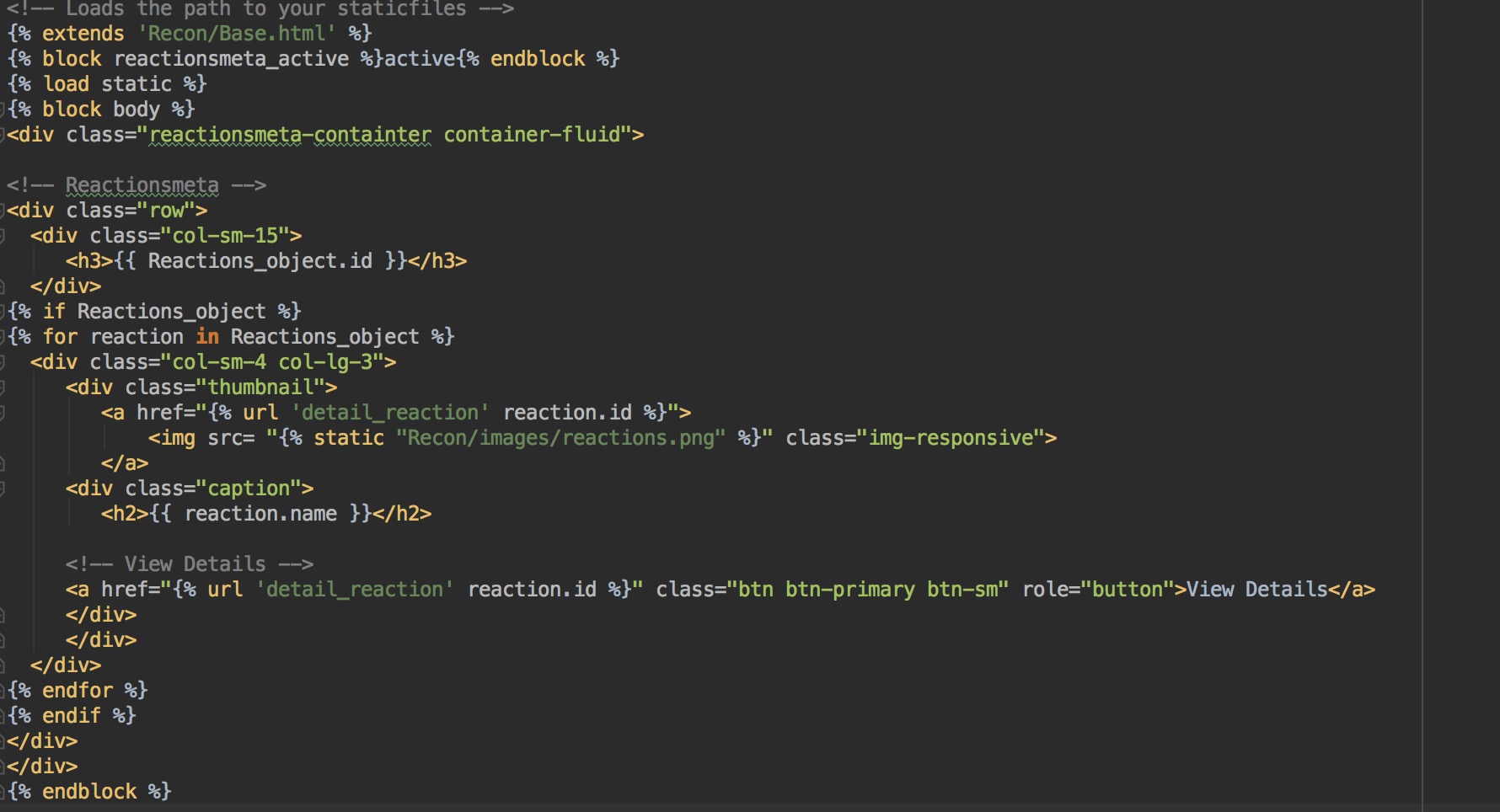
Floop Range Django Template - For tag loops over each item in an array, making the item available in a context variable. However, we could also emulate range() directly in the template by iterating over. The for loop in the template satisfies our needs here. I am using the get_range filter using the custom snippet:. In the template, you load the custom tag using {% load number_range %}. How can i make a for loop with range function in django template? But let us say we need to iterate for some. %} {{ for loop.counter }}. This article revolves about how to use for tag in templates. Using the django templates, you can use:
Django Template For Loop
How can i make a for loop with range function in django template? The for loop in the template satisfies our needs here. I am using the get_range filter using the custom snippet:. In the template, you load the custom tag using {% load number_range %}. However, we could also emulate range() directly in the template by iterating over.

Django Template For Loop
Using the django templates, you can use: In the template, you load the custom tag using {% load number_range %}. I am using the get_range filter using the custom snippet:. The for loop in the template satisfies our needs here. How can i make a for loop with range function in django template?

Django Template For Loop
Using the django templates, you can use: However, we could also emulate range() directly in the template by iterating over. Django range filter empowers you to iterate over numbers within your templates. I am using the get_range filter using the custom snippet:. If you're using jinja2, you can use:

Django Template For Loop
Django range filter empowers you to iterate over numbers within your templates. This article revolves about how to use for tag in templates. If you're using jinja2, you can use: The for loop in the template satisfies our needs here. In the template, you load the custom tag using {% load number_range %}.

Understanding The For Loop In Django Template
I am using the get_range filter using the custom snippet:. However, we could also emulate range() directly in the template by iterating over. Using the django templates, you can use: But let us say we need to iterate for some. Django range filter empowers you to iterate over numbers within your templates.

How to use the for range loop in django template djangolearning
I am using the get_range filter using the custom snippet:. In the template, you load the custom tag using {% load number_range %}. Using the django templates, you can use: This article revolves about how to use for tag in templates. The for loop in the template satisfies our needs here.

Django Template Loop
I am using the get_range filter using the custom snippet:. If you're using jinja2, you can use: Using the django templates, you can use: The for loop in the template satisfies our needs here. %} {{ for loop.counter }}.

Django Template For Loop
For tag loops over each item in an array, making the item available in a context variable. Django range filter empowers you to iterate over numbers within your templates. I am using the get_range filter using the custom snippet:. The for loop in the template satisfies our needs here. In the template, you load the custom tag using {% load.

The Django Template For Loop A Comprehensive Guide
The for loop in the template satisfies our needs here. How can i make a for loop with range function in django template? This article revolves about how to use for tag in templates. I am using the get_range filter using the custom snippet:. For tag loops over each item in an array, making the item available in a context.

How to use the for range loop in django template r/djangolearning
But let us say we need to iterate for some. I am using the get_range filter using the custom snippet:. This article revolves about how to use for tag in templates. For tag loops over each item in an array, making the item available in a context variable. The for loop in the template satisfies our needs here.
For tag loops over each item in an array, making the item available in a context variable. Django range filter empowers you to iterate over numbers within your templates. But let us say we need to iterate for some. In the template, you load the custom tag using {% load number_range %}. I am using the get_range filter using the custom snippet:. This article revolves about how to use for tag in templates. If you're using jinja2, you can use: The for loop in the template satisfies our needs here. %} {{ for loop.counter }}. Using the django templates, you can use: How can i make a for loop with range function in django template? However, we could also emulate range() directly in the template by iterating over.
Django Range Filter Empowers You To Iterate Over Numbers Within Your Templates.
In the template, you load the custom tag using {% load number_range %}. But let us say we need to iterate for some. I am using the get_range filter using the custom snippet:. The for loop in the template satisfies our needs here.
Using The Django Templates, You Can Use:
How can i make a for loop with range function in django template? %} {{ for loop.counter }}. This article revolves about how to use for tag in templates. For tag loops over each item in an array, making the item available in a context variable.
However, We Could Also Emulate Range() Directly In The Template By Iterating Over.
If you're using jinja2, you can use: